
This can increase the risk of bleeding, particularly in individuals who consume excessive amounts of alcohol. Alcohol does thin your blood by affecting platelet function and other clotting factors. When people refer to a substance as a blood thinner, they usually mean it has an anticoagulant or antiplatelet effect—reducing the blood’s tendency to form clots. Meanwhile, antiplatelet agents (like aspirin or clopidogrel) reduce platelet aggregation, preventing platelets from clumping and forming initial plugs in the clotting process. The interaction between alcohol, medications, and certain health conditions can further complicate the effects of alcohol on blood thinning.
Risks / Benefits
As with many aspects of health, moderation and awareness of alcohol’s complex effects on the body are key to minimizing potential harm. We will delve into practical implications for those with clotting disorders, people on anticoagulant medications, or individuals hoping to glean a heart-health benefit from moderate drinking. If you’re struggling with alcohol addiction, it’s important to take steps to reduce the risks of blood thinning from alcohol. Seeking professional help from a rehab can provide a safe and supportive environment for detoxification and treatment, as well as therapy and counseling to address the root causes of addiction. If you choose to continue drinking alcohol, moderation is key to minimizing the risks of blood thinning.
The Hope House Named Best Suboxone Treatment Center in Scottsdale
This might include nosebleeds, bleeding gums, easy bruising, or blood in urine or stool. Never ignore prolonged bleeding, as it could signal a serious condition. The blood-thinning effects of alcohol depend on how much you drink and individual factors like your weight, metabolism, and overall health.
Addiction Treatment Programs
If you are on medication, it’s crucial to speak with your healthcare provider to understand the potential interactions between alcohol and your specific medication. While moderate alcohol consumption might reduce stress responses and potentially lower cardiovascular risks, the adverse effects of heavy drinking far outweigh these benefits. Long-term excessive drinking can also lead to high blood pressure, heart arrhythmias, and a decrease in the heart’s ability to function correctly. In essence, while alcohol doesn’t “thin” the blood in the way water might thin a sauce, it does influence the blood’s ability to clot. It’s essential to approach alcohol consumption with an understanding of its effects and potential risks.


To understand the connection between alcohol and blood thinning, it’s important to examine how alcohol impacts different aspects of the blood clotting process. Two key factors affected by alcohol consumption are platelets and blood vessels. For individuals who are taking anticoagulant medications such as warfarin or aspirin, it is crucial to understand the potential interactions between alcohol and these medications. These interactions can vary and may have adverse effects on does alcohol thin blood blood clotting. If you have concerns about the combination of alcohol and anticoagulants, it is best to consult with a healthcare professional.
The Hope House Named “Top Treatment Destination”
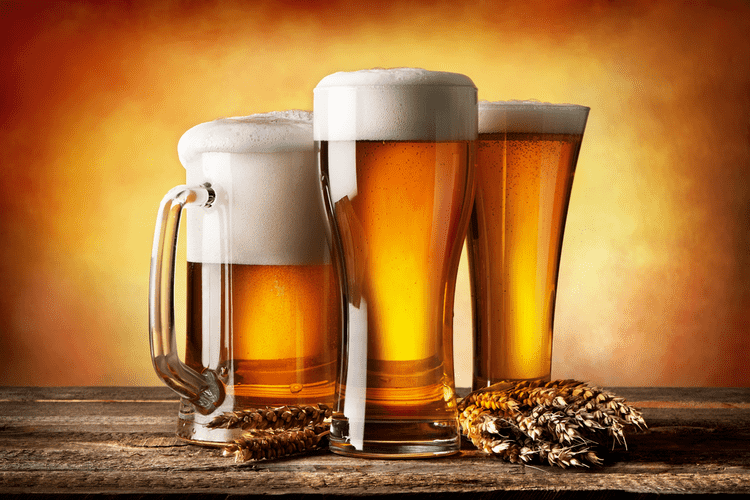
Studying how Substance abuse alcohol and blood thinners interact is crucial for health and safety. This explores how alcohol affects blood thickness and what it means for people who use medications to prevent blood clots. Beer, like other alcoholic beverages, can interfere with your blood’s clotting ability, which might increase bleeding risks.
- As for how long this blood-thinning effect lasts, it is important to note that alcohol’s influence on clotting is temporary.
- These medications can all be taken regularly without regular lab testing and are often used when warfarin isn’t an option.
- The evidence underscores the importance of moderation and individualized considerations when evaluating alcohol’s impact on blood health.
- Maintaining a healthy circulatory system goes beyond the influence of alcohol.
- When alcohol is consumed, it causes the blood vessels to relax and expand, resulting in a temporary increase in blood flow.
Alcohol, Anticoagulant Medications, and Bleeding Risks
Heavy or binge drinking increases the risk of bleeding and other complications. Alcohol’s blood-thinning effect can interfere with certain medical procedures such as surgeries or dental extractions. It is important to inform your healthcare provider about your alcohol consumption to prevent complications. It’s important to note that these guidelines should not be interpreted as a recommendation to drink alcohol. In fact, individuals with certain medical conditions or a history of alcohol addiction should avoid alcohol consumption altogether. Individuals with pre-existing liver conditions, such as hepatitis or liver disease, need to be especially cautious when consuming alcohol.
- Consuming alcohol before surgery is a significant risk because it can thin your blood.
- A 2023 review of studies indicates that red wine can provide health benefits for people with diabetes, such as decreased oxidative stress, inflammation, and cardiovascular disease risk.
- These prolonged effects not only thin the blood in certain aspects but also increase the risk of abnormal bleeding or clotting, posing significant health risks.
- Discover what opioid-induced hyperalgesia (OIH) is, its symptoms, causes, and long-term effects.
- ” leading medical bodies do not recommend starting to drink alcohol as a prophylactic measure.
As well as the direct risks, drinking while on blood thinners can affect control of the medication and the results intended by the physician who prescribed them. It could also potentially mask symptoms of complications and side effects from the medications. According to the Food and Drug Administration (FDA), people taking blood thinners should talk with their healthcare provider about alcohol consumption. Some medications have stronger interactions with alcohol than others. Some people believe beer is “safer” than other alcoholic drinks, but this isn’t supported by evidence when it comes to blood-thinning effects. All forms of alcohol can potentially increase bleeding risk when consumed in excess.
Alcohol’s Impact on Blood Clotting
Prolonged consumption of warfarin can cause internal bleeding, so you need to take regular blood tests and pay special attention when taking the medicine. You can also add the habit of regular exercise into your routine, thereby reducing your risk of experiencing a heart attack or even a stroke. Start with thirty minutes a day and build up your stamina to your personal optimal level. An imbalance in that ratio can increase your clotting risk https://ecosoberhouse.com/ or swing the other way and increase your bleeding risk.